
Available soon. Express your interest via email.
Tea Party
2013
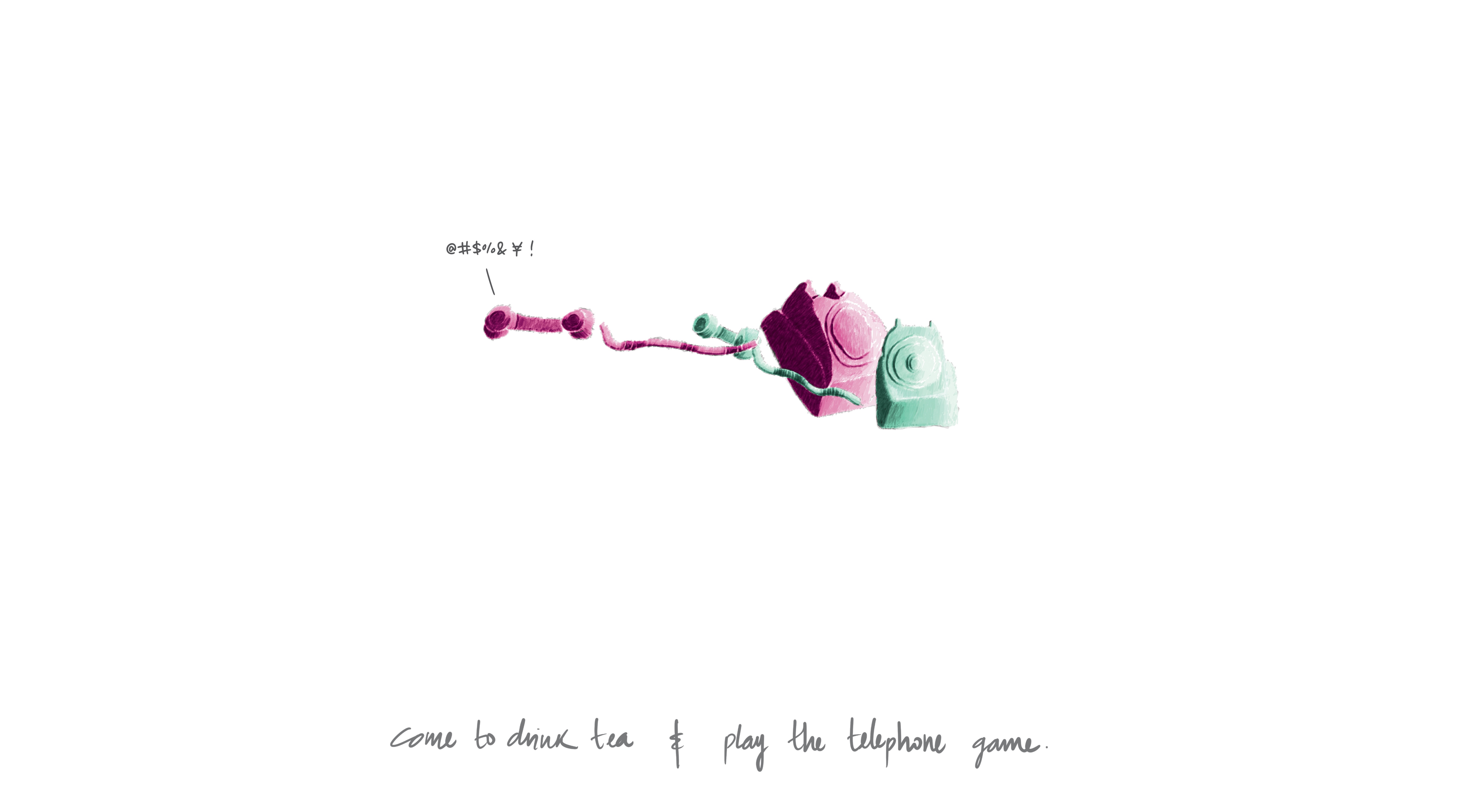
Tea Party masquerades as an invitation, but it’s really a social mirror — a subtle, sarcastic trap. This limited-edition postcard project was distributed anonymously, each one tucked in a white envelope and handed out randomly in public space. The invitation read simply: Come to drink tea & play the telephone game. At first glance, an innocent nod to polite conversation. Beneath the surface, a reflection on the violence embedded in casual talk, projection, and distortion.
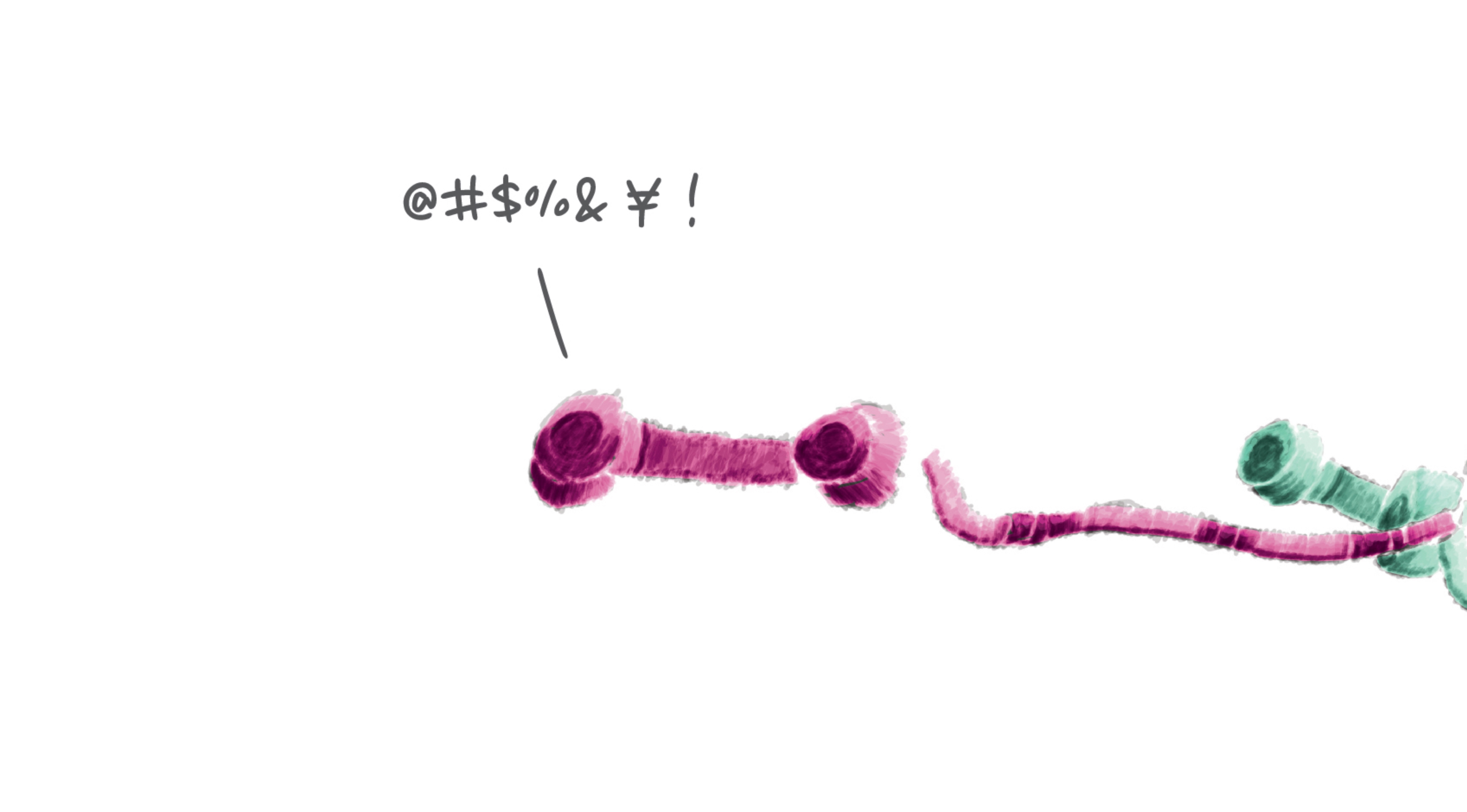
The front illustration features two old rotary phones, distorted through a cubist lens — one pink, one green. Drawn in charcoal and digitally colored, they clash and converge, speaking in symbols: #%$@! — the typographic noise of censored words, swears, or meaning breaking apart. The visual echoes the children’s game known as Chinese Whispers, where messages degrade as they pass from person to person — except here, it’s not children playing, but adults masking malice as curiosity.
The work critiques not just gossip, but the way we selectively hear, project, and weaponize language. It asks: what happens when civility becomes theatre, and sarcasm becomes a shield for truth? What is revealed when the artist disappears, and only the message remains?
The edition was limited to 99, a deliberately imperfect triple trinity — evoking both ritual and rupture. Recipients never knew the sender. And yet, some laughed. Some were offended. Tea Party left the stage open for each person to perform their own version of the game.
[ Conceptual Object ]
 Studio McManu Espinosa