

Mindscapes
— Inner architectures. Visual solitude. Emotional metamorphosis —
Mindscapes is an invitation to cross the threshold of the visible.
There are cities made of hollow bodies, and bodies built like cities—silent, enclosed, inhabited by emotions that no longer know how to exit. In this project, architecture is not merely background, but an extension of the soul. Every wall becomes skin. Every missing window is a trace of an unspoken thought.
Like a dream that cannot wake itself, Mindscapes stages suspended inner landscapes—mental territories where the self collapses inward, and solitude takes form. In these metaphysical urban spaces, one does not enter: one stands before them, confronted by what cannot be articulated. Or one enters—but only if willing to be reflected in the void.
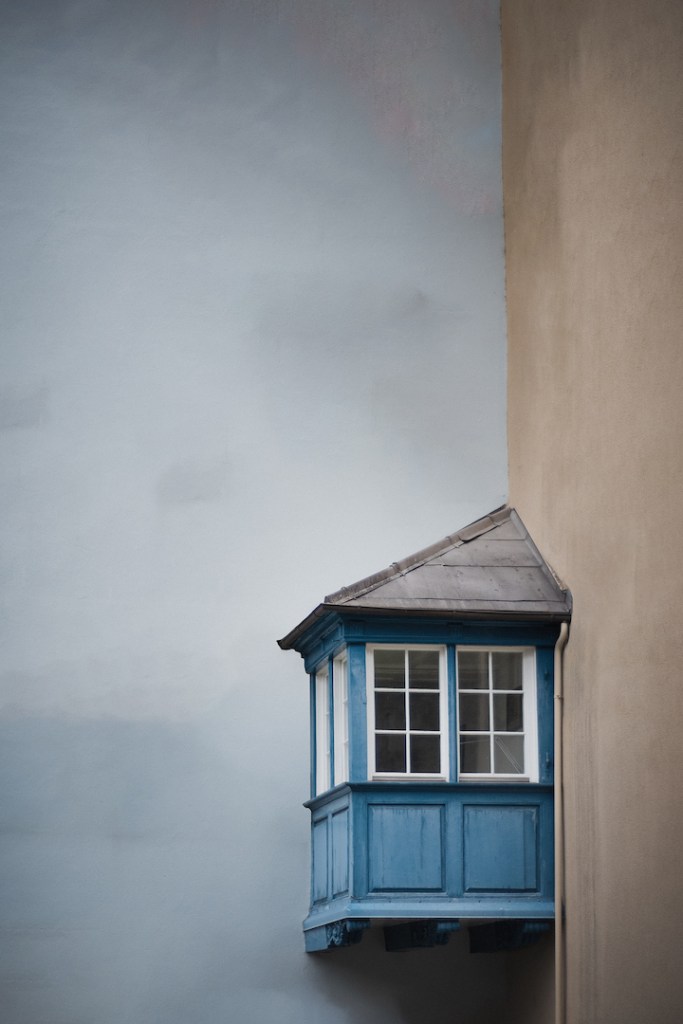
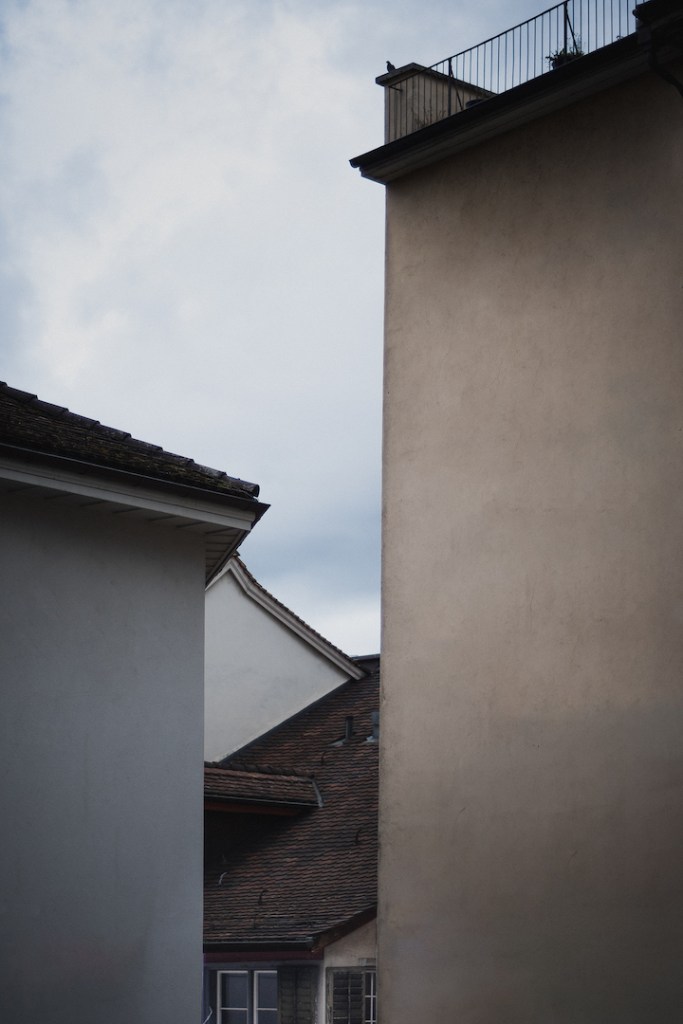
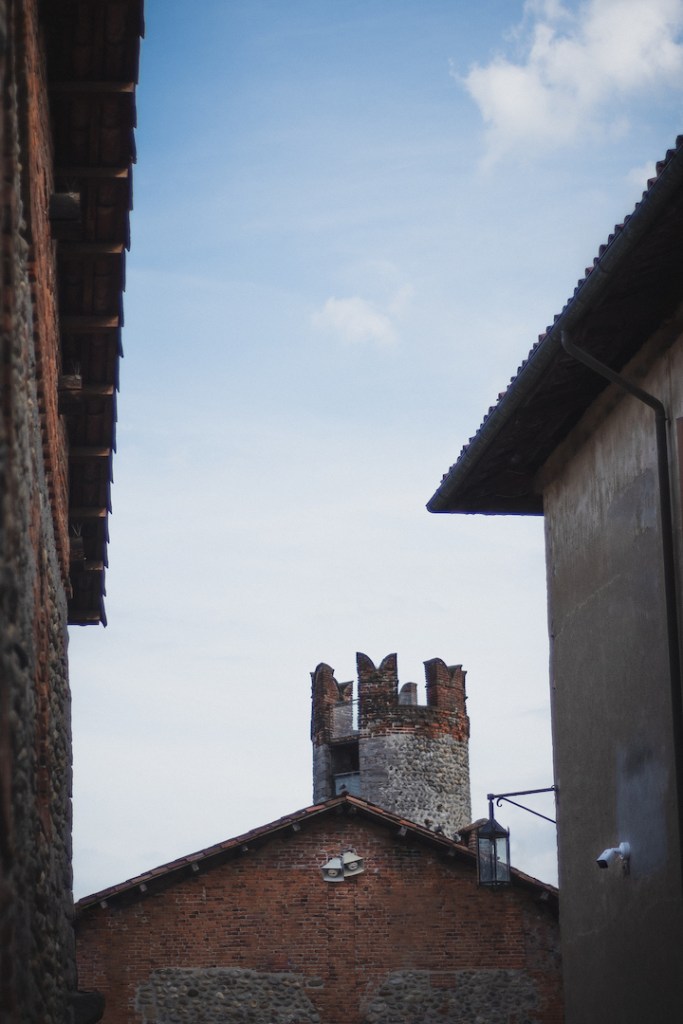
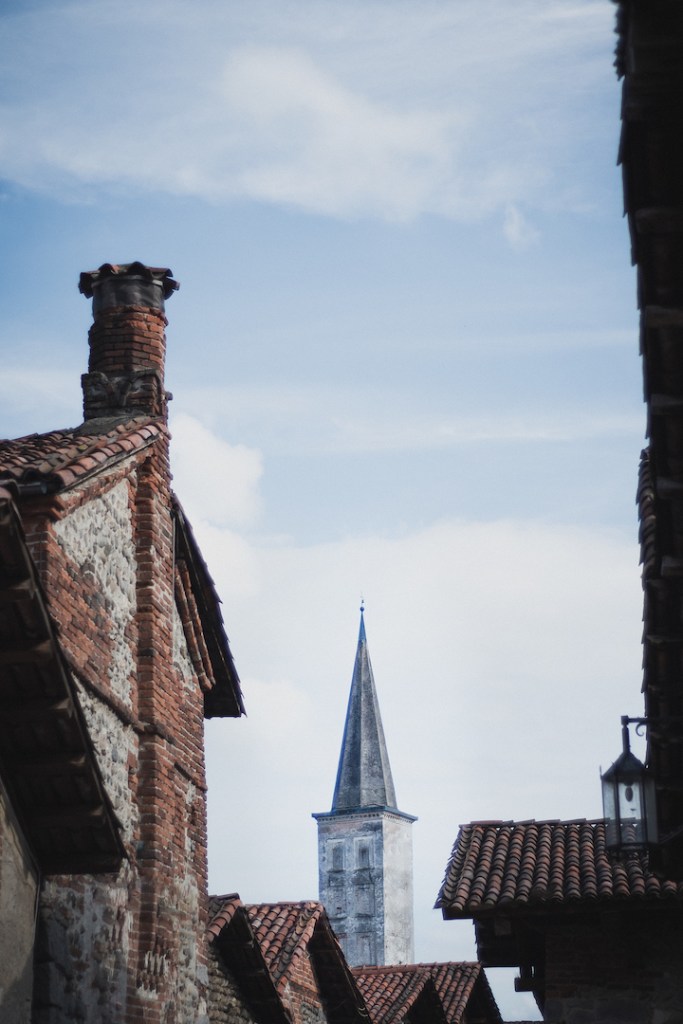
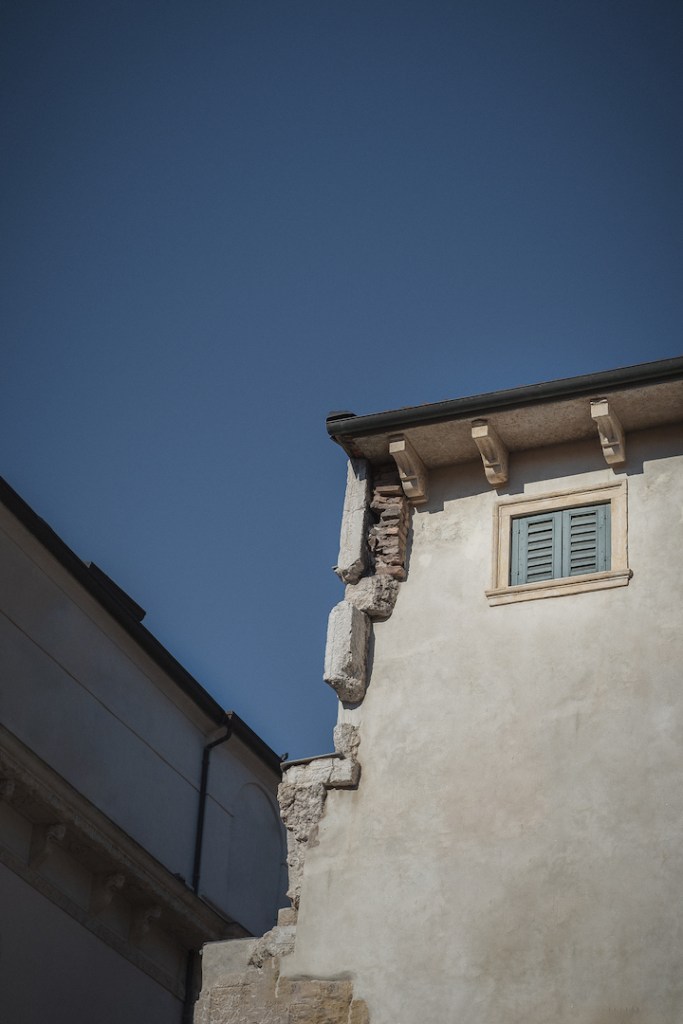
The photographs in Mindscapes were taken in real places: corners, facades, and transitional urban spaces. These are seemingly anonymous locations, chosen for their capacity to echo something human beneath their surface.
Each building mimics the posture of a person—closed, guarded, distant, or emotionally inaccessible. Some seem to be holding their breath; others are buckling under invisible weight. Their lack of doors and windows is not an architectural anomaly, but a gesture: like people who have stopped communicating.
The city is conceived not as infrastructure, but as a portrait of emotional geography. It becomes a congregation of silent selves—a collective solitude masquerading as community. Streets form constellations of disconnection. Facades become faces, neighborhoods entire psychologies.
What may first appear as urban documentation reveals itself, upon closer encounter, as a slow mirror of the emotional structures we live inside. And perhaps, the ones we never leave.
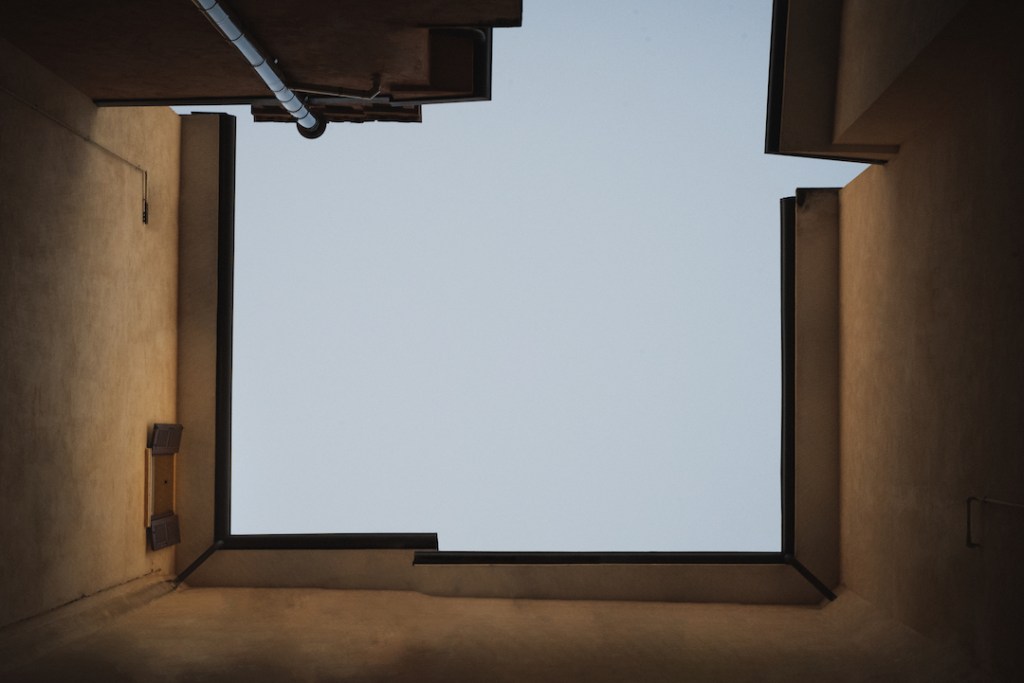
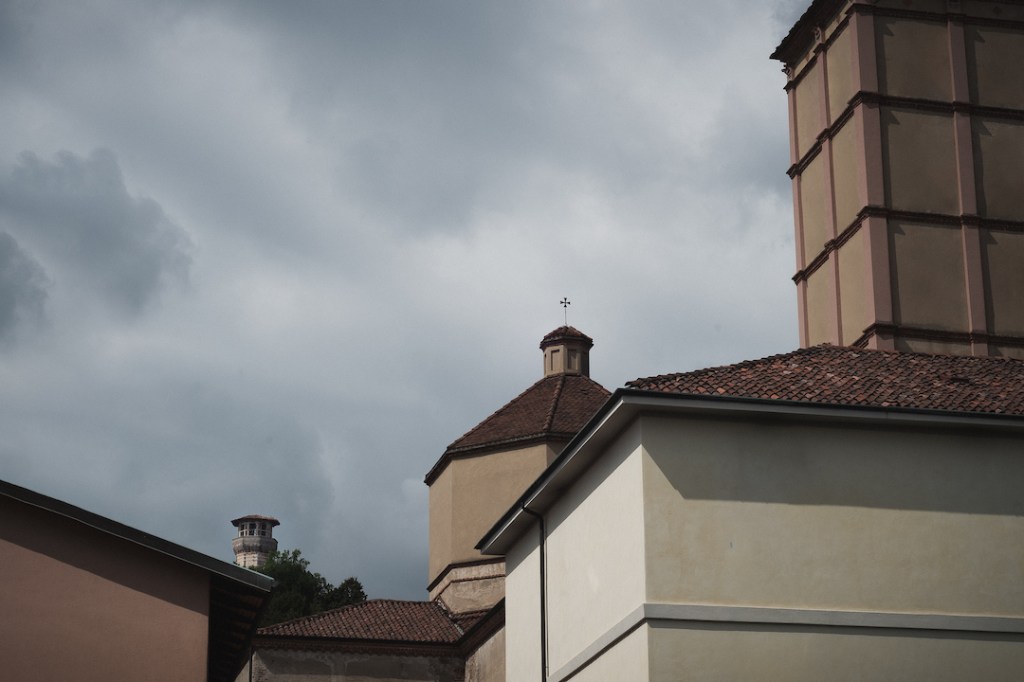
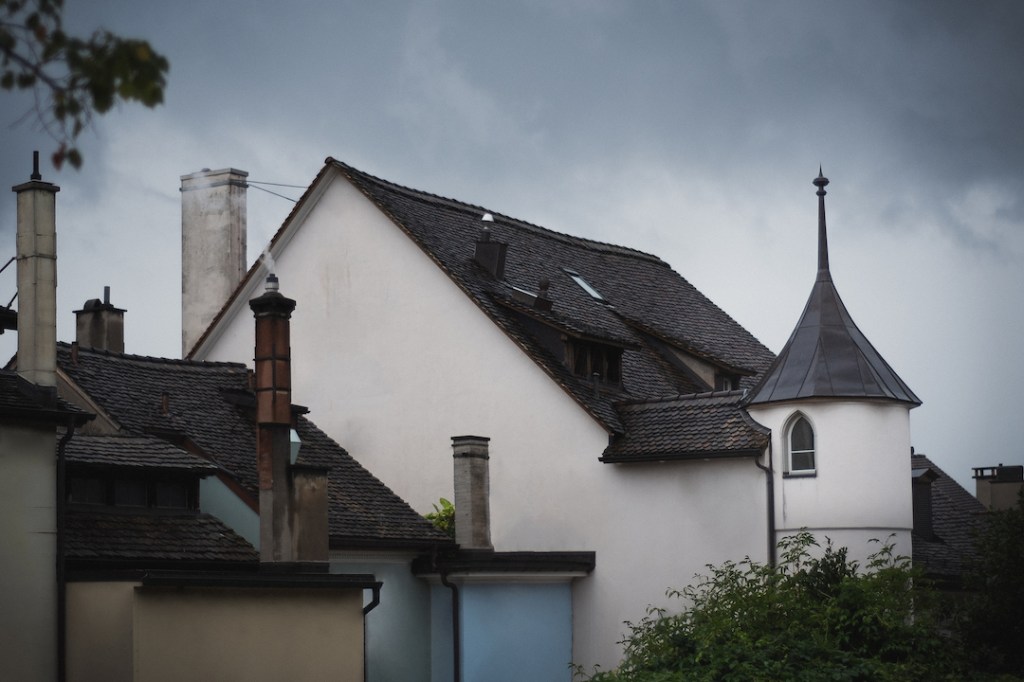
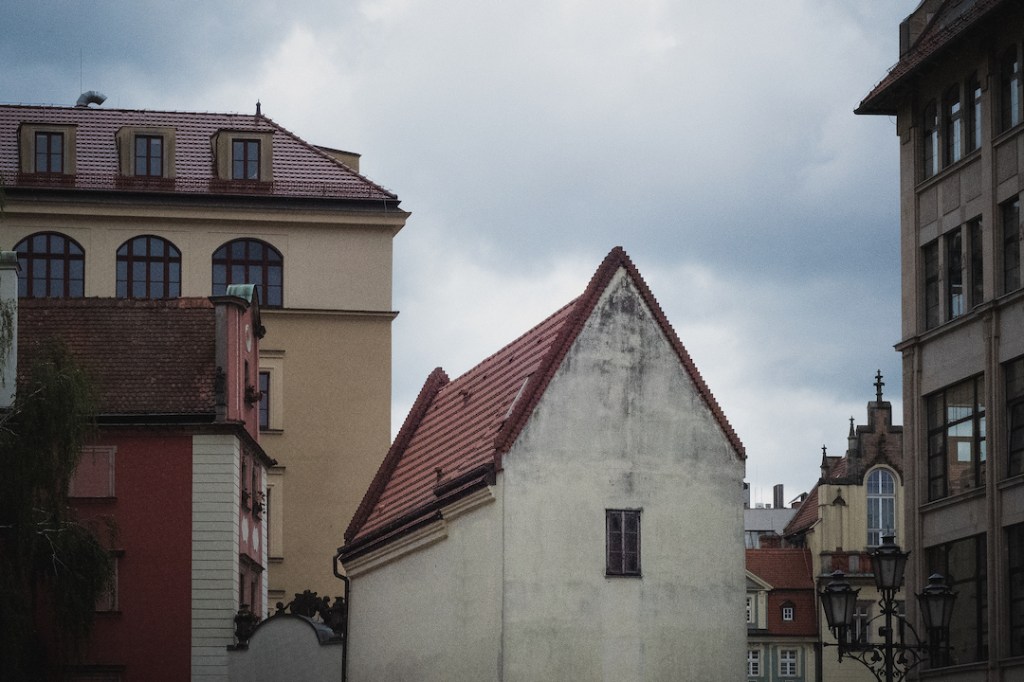
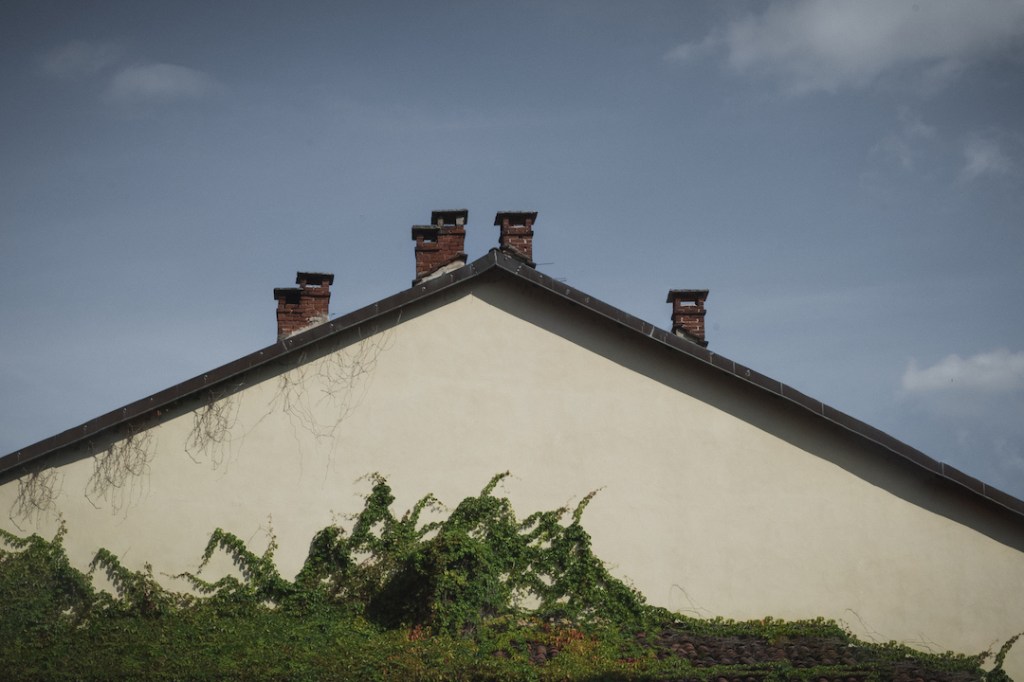
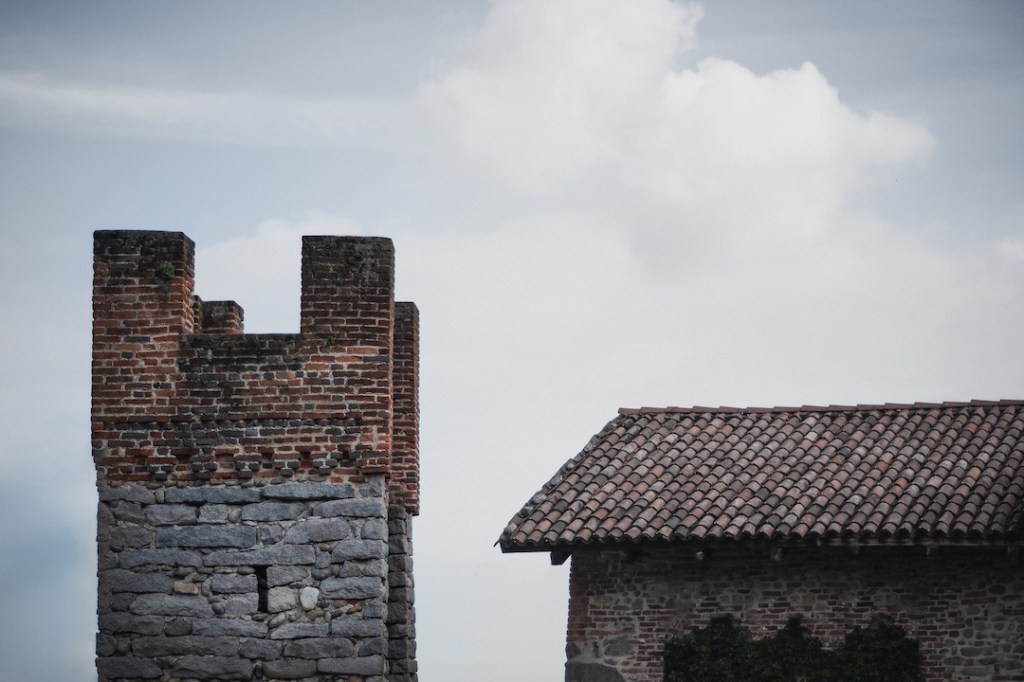
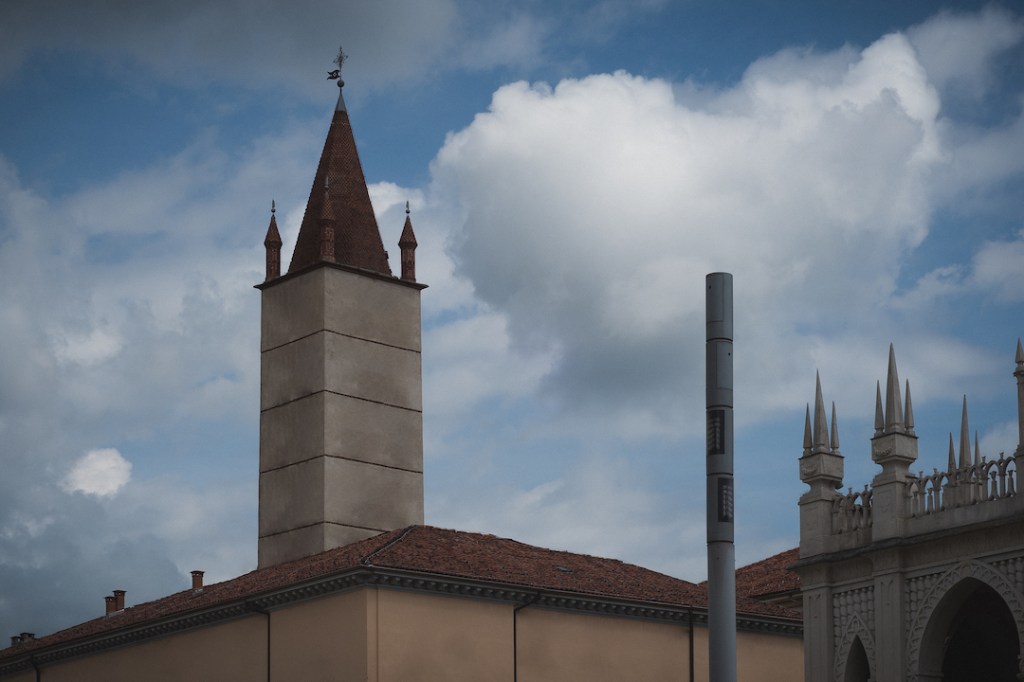
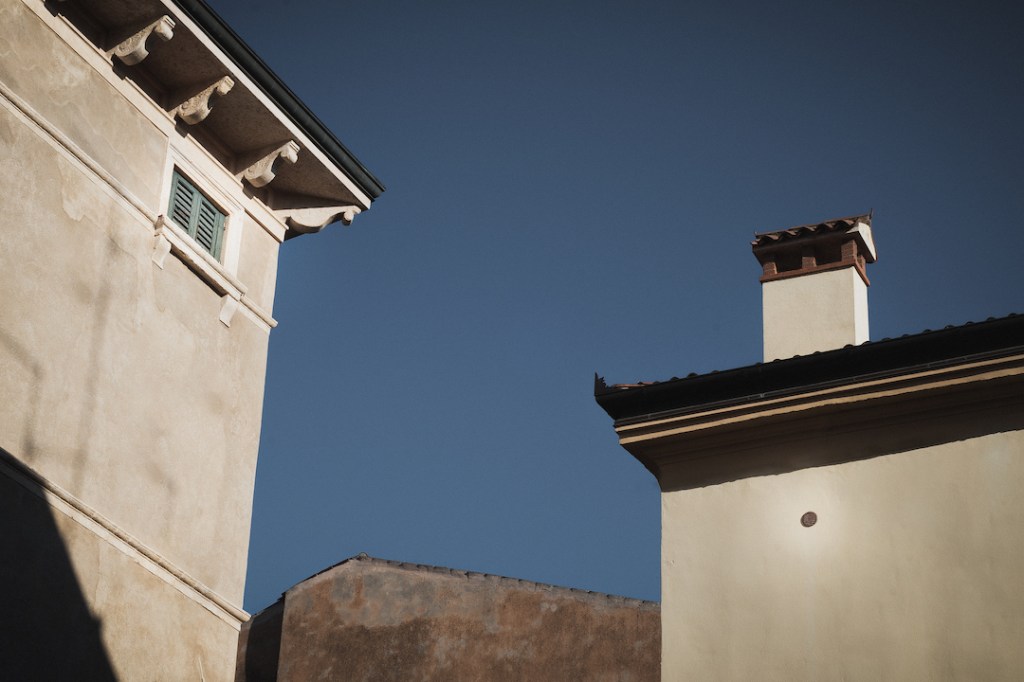
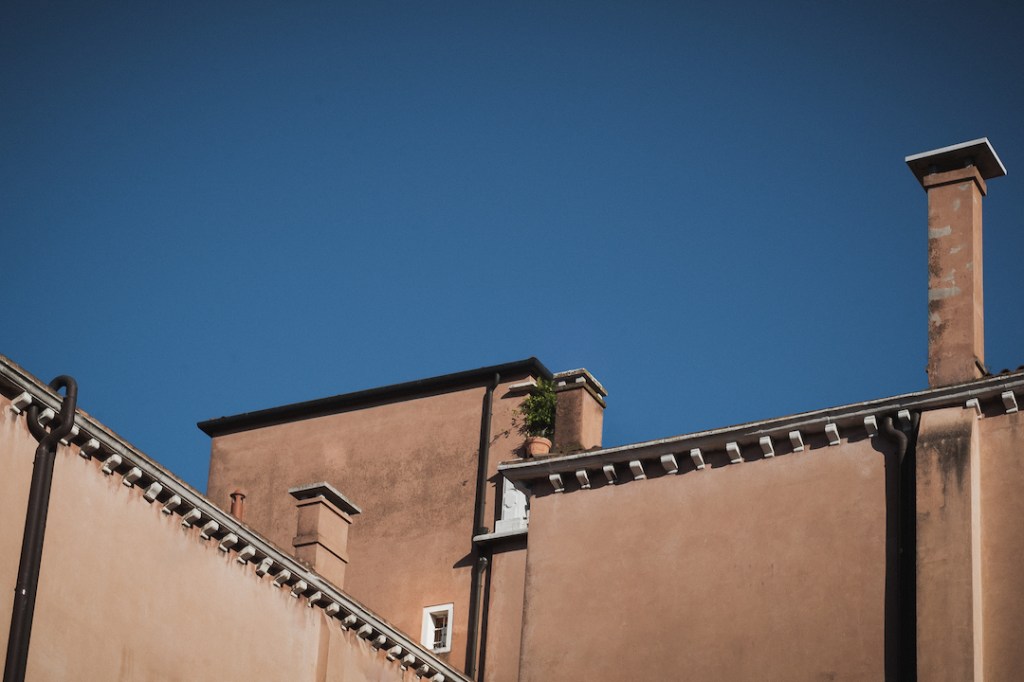
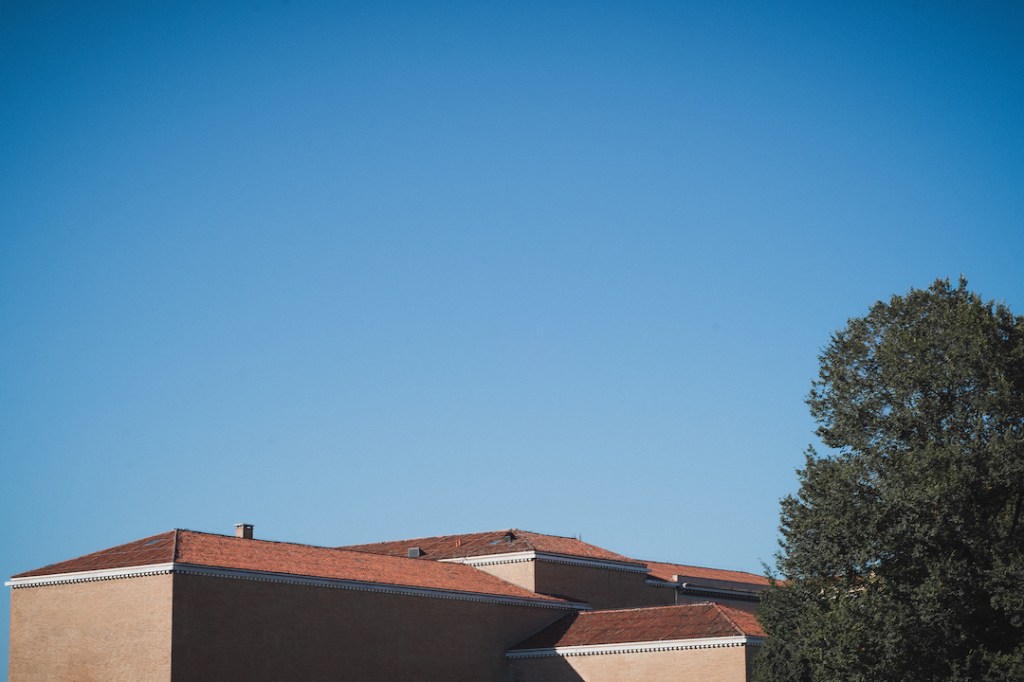
Mindscapes emerges from a meeting point between philosophy, memory, and the visual unconscious. The project draws inspiration from Gaston Bachelard’s reflections in The Poetics of Space, where the home is seen not merely as a shelter, but as a vessel for psychological life—a topography of solitude, imagination, and reverie.
In these images, architecture is affective rather than symbolic. A building becomes a dream-image of the self: sealed, layered, shaped by what it holds back. The absence of access—the doorless, windowless walls—is not a surreal gesture but a metaphysical condition. These facades do not speak. They contain.
Bachelard described the garret as the space of quiet thought and silent dreams. In Mindscapes, the garret expands to become the entire structure. A magnification of what remains unspoken, unprocessed, unseen.
Echoes of Giorgio de Chirico are also present—the displaced light, the empty plazas, the vertigo of stillness. But unlike de Chirico’s enigma, Mindscapes offers not theatrical mystery, but interior implosion: not ruins, but muted density.
This is why the image is accompanied by voice—not as narration, but as murmur. A layer of intimacy, a portal. Something between whisper and reflection, surfacing like memory in half-sleep.
In Mindscapes, space is never passive. It is transformed by the psyche of the observer—and in return, transforms them. What appears to be static architecture is, in truth, a mirror: a map of inner terrain—closed, fragile, unlit.

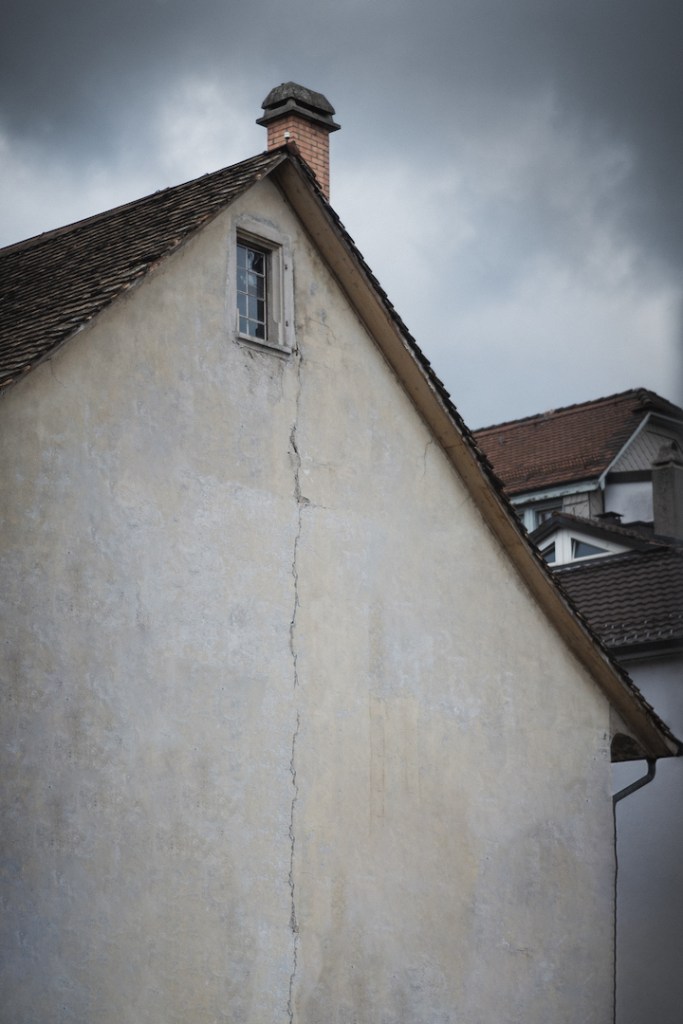

I imagined myself as a building with no doors—only a light in the attic, flickering silently behind the walls.
That’s where I kept what I never learned to say.
— McManu Espinosa
[ Photography • AR Experimentation • Work in Progress ]
 Studio McManu Espinosa